Ditch the Kiosks and Pay Like a Local
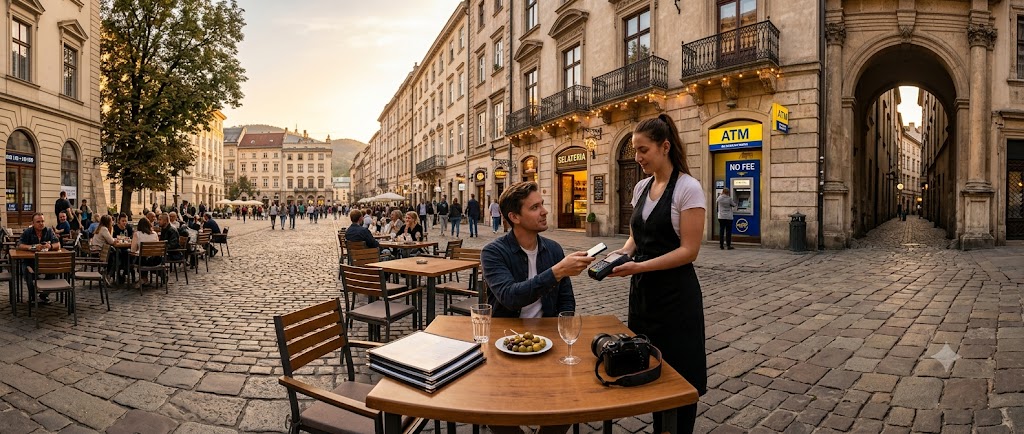
There is a distinct moment of panic that almost every traveler faces right after stepping off a long flight into a bustling European airport: Should I run to that currency exchange kiosk? Do I need a pocket full of euros before I even try to find a taxi?
The short answer is no. Managing your money in Europe has changed dramatically over the last few years. While the continent is more digital than ever, relying entirely on plastic—or entirely on cash—is a recipe for getting hit with major fees.
To keep your hard-earned money in your pocket (where it can be spent on gelato and museum tickets instead of bank fees), use this strategic blueprint for spending seamlessly across the Eurozone.
1. Plastic First: Your Everyday Financial Backbone
In Western and Central Europe, contactless card payments and mobile wallets (like Apple Pay and Google Wallet) are the absolute norm. You can easily tap your phone or card to pay for everything from a high-end dinner in Paris to a single transit fare in London or Amsterdam.
However, you need to audit your wallet before you leave home to avoid two common traps:
- The Foreign Transaction Fee (FX Fee): Many standard credit cards tack on a 2.5% to 3% fee for every single purchase made in a foreign currency. Over a two-week trip, that quietly adds hundreds to your bill. Ensure your primary travel card has a strict No Foreign Transaction Fee policy.
- The Debit Card Rule: Keep your debit card locked securely in your hotel room or wallet backup slot. Only use it at official ATMs. Credit cards offer significantly stronger fraud protection while you are traveling.
Golden Rule: If a merchant or card reader asks if you want to be charged in U.S. Dollars (USD) or Euros (EUR), always choose Euros. Choosing USD triggers “Dynamic Currency Conversion,” which allows the merchant’s local processor to invent a terrible exchange rate and pocket the difference. Always let your own bank do the conversion math.
2. Cash is Not Dead: The “Just in Case” Stash
While you can easily get by with a tap of your phone in major cities, cash isn’t entirely obsolete. You will still want a small amount of physical euros for the little moments: paying a tip for a tour guide, buying fresh produce at a weekend street market, using a public restroom, or grabby a pastry in a remote, rural village.
The smartest way to handle cash is a simple, strategic routine:
1.Skip the Airport Kiosks: Before You Arrive.
Avoid the urge to exchange cash at home or at airport currency booths. Kiosks with flashing signs reading “Zero Commission” are a trap; they simply bake a massive, unfavorable 10% to 15% markup into the exchange rate they give you.
2.Find an Official Bank ATM: Upon Arrival.
Once you land, pass the independent airport kiosks and find an ATM physically attached to a major, reputable European bank (e.g., BNP Paribas, Santander, Deutsche Bank). Avoid standalone, flashy machines like “Euronet” found in souvenir shops or tourist heavy streets—their transaction fees are predatory.
3.Decline the Machine’s Conversion: At the ATM Terminal.
Just like point-of-sale credit card readers, the ATM will ask if you want to accept their “guaranteed conversion rate” to USD. Decline it. Choose to be charged in the local currency (Euros) so your home bank handles the conversion at the true interbank market rate.
4.Withdraw in Bulk: Minimize Fees.
Instead of pulling out €20 every few days and getting hit with a $5 out-of-network ATM fee each time, make one or two larger withdrawals (e.g., €150–€200) to last your entire trip. Split this cash up: keep a small amount in your daily wallet, and lock the rest in your hotel safe.
3. The Ultimate European Money Strategy At-A-Glance
| Financial Scenario | Best Tool to Use | Why It Works |
| Hotels, Restaurants, Shops | No-FX-Fee Credit Card / Apple Pay | Safest protection, best mid-market exchange rate, builds rewards points. |
| Markets, Cafes, Tipping, Restrooms | Pocket Cash (€10 and €20 notes) | Eliminates card minimums, supports small family businesses, handles cash-only historical sites. |
| Emergency Cash Replacement | FinTech Apps (Wise / Revolut) | Allows you to hold virtual Euro balances and transfer funds instantly if a card gets compromised. |
A Quick Departure Checklist
Before you head out to catch your flight, take five minutes to do a quick digital clean-up:
- Check your bank’s app: Ensure your daily ATM withdrawal limits are high enough, and drop a quick travel notification in the app if your bank still requires it.
- Burn your coins: European coins have high denominations (there are actual €1 and €2 coins). Don’t bring a pocket full of heavy coins home—airports and banks won’t exchange them back to USD. Use them up on your final morning for airport snacks or a cup of coffee.
- By letting credit cards handle the heavy lifting and treating cash as your trusty tactical backup, you will protect your wallet from hidden fees and navigate the European continent completely stress-free.